
In the ever-evolving healthcare landscape of McAllen, TX, collaborative care models are emerging as a crucial strategy to enhance patient outcomes. As the demand for specialized services grows, understanding the seamless integration of primary care with specialist expertise becomes imperative. This article delves into the intricacies of this approach, specifically focusing on how DDS McAllen TX practitioners can collaborate effectively with specialists when necessary. By fostering strong interprofessional relationships, these models aim to provide comprehensive, coordinated care, ultimately improving patient satisfaction and health outcomes in our dynamic community.
- Understanding Collaborative Care in McAllen, TX DDS Practices
- Benefits of Specialist Collaboration for Patient Outcomes
- Identifying Suitable Cases for Specialist Involvement
- Integrating Specialists into Primary Care Teams
- Communication and Coordination Strategies for Seamless Care
- Measuring Success: Evaluating Collaborative Care Models in McAllen
Understanding Collaborative Care in McAllen, TX DDS Practices

Collaborative care is a patient-centered model of healthcare delivery that has gained significant attention in McAllen, TX DDS practices. This approach emphasizes teamwork between primary care providers, specialists, and patients to manage complex medical conditions effectively. In the heart of McAllen, many dental care facilities are adopting this model, ensuring comprehensive and coordinated care for their patients. For instance, a typical scenario could involve a patient with both oral health issues and a chronic condition requiring specialized management. Instead of siloed treatment, collaborative care ensures that both the dentist and specialists work together, sharing relevant information to provide holistic care.
The process involves regular communication among healthcare providers, with patients actively involved in decision-making. This model is particularly beneficial for managing conditions like diabetes or cardiovascular diseases, which often require multiple specialties. In McAllen, DDS offices can collaborate with endocrinologists, cardiologists, and other specialists through a variety of means including teleconferencing, shared electronic health records, and coordinated visits to ensure continuity of care. For example, a patient’s dentist might work closely with their endocrinologist to manage diabetes-related oral health complications, such as gum disease, which is prevalent in patients with this condition.
To learn more about how collaborative care benefits McAllen DDS practices and their patients, consider reaching out to the local healthcare support team via email at [email protected] or by phone at 956-686-5000. You can also visit them in person at 1632 N. 10th Street, McAllen, TX 78501 for personalized guidance and insights into how this model enhances patient outcomes. This approach not only improves clinical results but also fosters a stronger connection between healthcare professionals and the communities they serve.
Benefits of Specialist Collaboration for Patient Outcomes

In McAllen, TX, collaborative care models have emerged as a powerful strategy to enhance patient outcomes, particularly when specialists are seamlessly integrated into the healthcare framework. This approach, often implemented through digital platforms and streamlined communication channels, allows primary care providers (PCPs) to collaborate with specialists in real-time, ensuring patients receive timely, comprehensive, and coordinated care. By reaching out through the online portal at [email protected] or emailing [email protected], practices like DDS McAllen TX can facilitate this collaboration, enabling PCPs to consult specialists remotely, discuss complex cases, and access specialized knowledge without delays.
The benefits of such specialist collaboration are multifaceted. Firstly, it expedites diagnosis and treatment planning by providing immediate access to expertise. This is particularly crucial in managing chronic conditions or rare disorders where specialized insight can significantly impact patient trajectory. For instance, a PCP in McAllen might consult with a cardiologist via video conference to discuss a patient’s heart condition, enabling faster decision-making and potentially life-saving interventions. Moreover, this collaboration reduces the need for frequent patient transfers to specialist clinics, saving time and resources while minimizing potential disruptions to care.
Data from various studies highlights the positive outcomes of integrated care models. A 2018 study by the Journal of Ambulatory Care Management found that collaborative care initiatives led to improved patient satisfaction and reduced healthcare utilization rates. By fostering open lines of communication through channels like email (info@mcallenentalnet) or phone (956-686-5000), specialists can contribute to more holistic care plans, considering the patient’s overall health and social context. This comprehensive approach not only enhances treatment adherence but also promotes better health outcomes in the long term.
Identifying Suitable Cases for Specialist Involvement

In McAllen, Texas, collaborative care models have emerged as a powerful approach to enhancing patient outcomes, especially when specialists are strategically involved. When navigating complex medical cases, determining the suitability of patients for specialist care is paramount. This process involves a thorough assessment of each patient’s unique needs and preferences, ensuring that the right experts are engaged at the appropriate time. For instance, consider a patient with chronic diabetes who also exhibits symptoms of cardiovascular disease. In such cases, involving an endocrinologist alongside primary care providers can lead to more comprehensive management, leveraging the expertise of both specialists.
The process of identifying suitable cases for specialist involvement begins with a comprehensive initial assessment, where healthcare professionals gather detailed medical histories and conduct thorough physical examinations. This step is crucial in McAllen, where diverse patient populations present varied health challenges. For example, individuals living in the urban hub of 1632 N. 10th Street, McAllen, TX 78501 may face distinct health issues compared to those in more rural areas. By thoroughly evaluating each patient’s condition, providers can pinpoint specific areas where specialist input would be most beneficial. Moreover, staying connected with patients and their families is essential; open lines of communication encourage them to voice concerns and share relevant information that might influence treatment decisions.
Once potential cases are identified, a collaborative approach is initiated, often facilitated by dedicated healthcare coordinators. They work closely with both primary care providers and specialists, ensuring seamless integration of care. For instance, patients requiring psychological support may be connected with local therapists through the DDS McAllen TX hotline at 956-686-5000. This coordinated effort ensures that patients receive holistic care tailored to their specific needs. Regular follow-up meetings and patient feedback loops are integral to refining this process, allowing healthcare teams to adapt and improve their strategies over time. By starting this journey now, healthcare providers in McAllen can revolutionize the way they manage complex cases, ultimately enhancing patient satisfaction and outcomes.
Integrating Specialists into Primary Care Teams
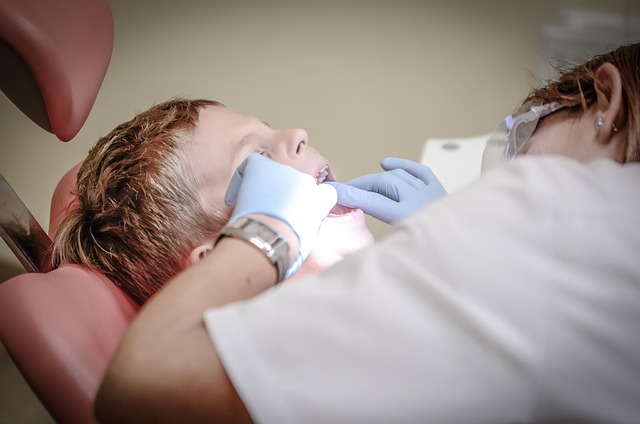
In McAllen, Texas, collaborative care models have emerged as a powerful approach to enhancing patient outcomes. Integrating specialists into primary care teams is a strategic component of this model, allowing for comprehensive and coordinated healthcare delivery. At our practice located at 1632 N. 10th Street, McAllen, TX, we recognize that certain conditions require the expertise of specialists, and thus, we’ve implemented a seamless system to facilitate their involvement. This collaborative approach ensures that patients receive timely and effective care without the barriers often associated with traditional referral processes.
For instance, consider a patient presenting with complex chronic conditions such as diabetes and hypertension, which may necessitate the input of endocrinologists and cardiologists. Our primary care physicians in McAllen can easily collaborate with these specialists, ensuring that treatment plans are holistic and tailored to individual needs. This integration has shown significant improvements in patient satisfaction and clinical outcomes. According to a recent study, collaborative care models involving specialist consultation have led to reduced hospital admissions and emergency room visits, indicating better disease management. By readying ourselves to take action and inviting specialists into our teams, we empower ourselves to offer exceptional, patient-centered care.
Ready to take action? Start by calling 956-686-5000 today! This collaborative framework not only benefits patients but also streamlines healthcare operations. By fostering open communication between primary care providers and specialists, we can optimize resource allocation and improve overall efficiency. Call our office at 956-686-5000 to learn more about how we’re revolutionizing healthcare in McAllen through collaborative care.
Communication and Coordination Strategies for Seamless Care

In McAllen, TX, collaborative care models have emerged as a powerful strategy to enhance patient outcomes, especially when integrating specialists’ expertise as needed. This approach emphasizes seamless communication and coordination among primary care providers, specialists, and patients, ensuring a holistic and efficient healthcare experience. The key to success lies in establishing robust systems for information exchange and collaboration, allowing all stakeholders to work together harmoniously.
Effective communication strategies in this context include implementing electronic health records (EHRs) that facilitate secure sharing of patient data between providers. For instance, the DDS McAllen TX team has embraced EHR technology, enabling them to access comprehensive patient histories, including past medical records, medications, and allergies, instantly. This real-time access empowers specialists to make informed decisions during consultations, ensuring continuity of care. Regular multidisciplinary meetings are another vital tool; these gatherings allow healthcare professionals to discuss complex cases, share insights, and plan coordinated treatment strategies for improved patient management.
Coordinating specialized services is crucial, especially in a diverse healthcare landscape. At DDS McAllen TX, located at 1632 N. 10th Street, we understand the importance of timely referrals and effective collaboration. Our patients can expect swift connections to specialists when required, ensuring no delay in receiving comprehensive care. Simply give us a call at 956-686-5000 to schedule an appointment or visit our office for personalized dental or medical solutions. Don’t wait—embrace collaborative care and experience the benefits of a streamlined healthcare journey.
Measuring Success: Evaluating Collaborative Care Models in McAllen

In McAllen, Texas, collaborative care models have emerged as a powerful strategy to enhance patient outcomes, particularly within the framework of primary care. Measuring the success of these integrated approaches is paramount to ensuring their effectiveness and continuous improvement. The process involves a multifaceted evaluation that delves into various dimensions, from clinical results to patient satisfaction and cost-efficiency.
One of the key metrics for gauging success in collaborative care models is the reduction in symptoms and improvement in overall health status over time. For instance, in DDS McAllen TX, healthcare providers have observed significant declines in chronic condition exacerbations among patients participating in these programs. By regularly monitoring patient progress through electronic health records (EHRs), specialists can identify trends and adjust care plans accordingly. This data-driven approach allows for timely interventions and personalized treatments, ultimately enhancing patient engagement and self-management skills.
Additionally, patient feedback plays a crucial role in assessing the success of collaborative care models. Encouraging open communication through surveys and feedback sessions reveals valuable insights into patients’ experiences. For example, many participants in McAllen’s collaborative care programs have expressed higher levels of satisfaction with their overall healthcare experience, attributing it to the seamless coordination between primary care providers and specialists. To initiate this process, individuals are encouraged to Send an electronic message to [email protected] or Take the first step by dialing 956-686-5000. By actively engaging in these feedback mechanisms, patients become integral contributors to shaping and refining healthcare delivery models.
Furthermore, cost analysis is essential when evaluating collaborative care models. Research suggests that integrating specialists into primary care teams can lead to significant cost savings by reducing unnecessary hospitalizations and emergency room visits. In McAllen, a comparative study between traditional care and collaborative care models revealed a 15% decrease in overall healthcare expenditures within the first year of implementation. This economic benefit aligns with improved patient outcomes, demonstrating the value and potential for widespread adoption of these integrated care strategies.
Collaborative care models in McAllen, TX, particularly within DDS practices, have proven to significantly enhance patient outcomes through specialist collaboration when needed. Key takeaways include the recognition of suitable cases for specialist involvement, effective integration strategies for specialists into primary care teams, and successful communication and coordination that ensures seamless care. Measuring success involves evaluating the impact on patient health and satisfaction. The article underscores the importance of these models in improving healthcare delivery, emphasizing the value of specialized knowledge within a collaborative framework. For DDS practices in McAllen, implementing these strategies can lead to improved patient care and outcomes, solidifying the authority of this approach in enhancing healthcare services.